
From Trenches to Tomatoes: The enduring Legacy of the Victory Garden
There is a specific kind of magic that happens when you press a seed into the dirt. It’s an act of hope, a tiny wager against the future. But eighty years ago, that act of hope wasn’t just a hobby—it was a national necessity. It was the era of the Victory Garden.
Today, as we navigate global supply chain shifts and a renewed desire for self-reliance, the Victory Garden is making a massive comeback. To understand why we’re all suddenly obsessed with heirloom tomatoes and raised beds, we have to look back at a time when the “Home Front” was won with a hoe and a rake.
The Birth of a Movement: Digging for Victory
The concept of the Victory Garden didn’t actually start with World War II; its roots stretch back to World War I. In 1917, Charles Lathrop Pack organized the National War Garden Commission. The idea was simple: the more food civilians grew in their backyards, the more commercially produced food could be sent to troops overseas.
However, the movement reached its zenith during World War II. Following the attack on Pearl Harbor, the U.S. government implemented food rationing. Staples like sugar, butter, and eventually canned vegetables became scarce. To prevent a domestic food crisis, the government turned to the public.
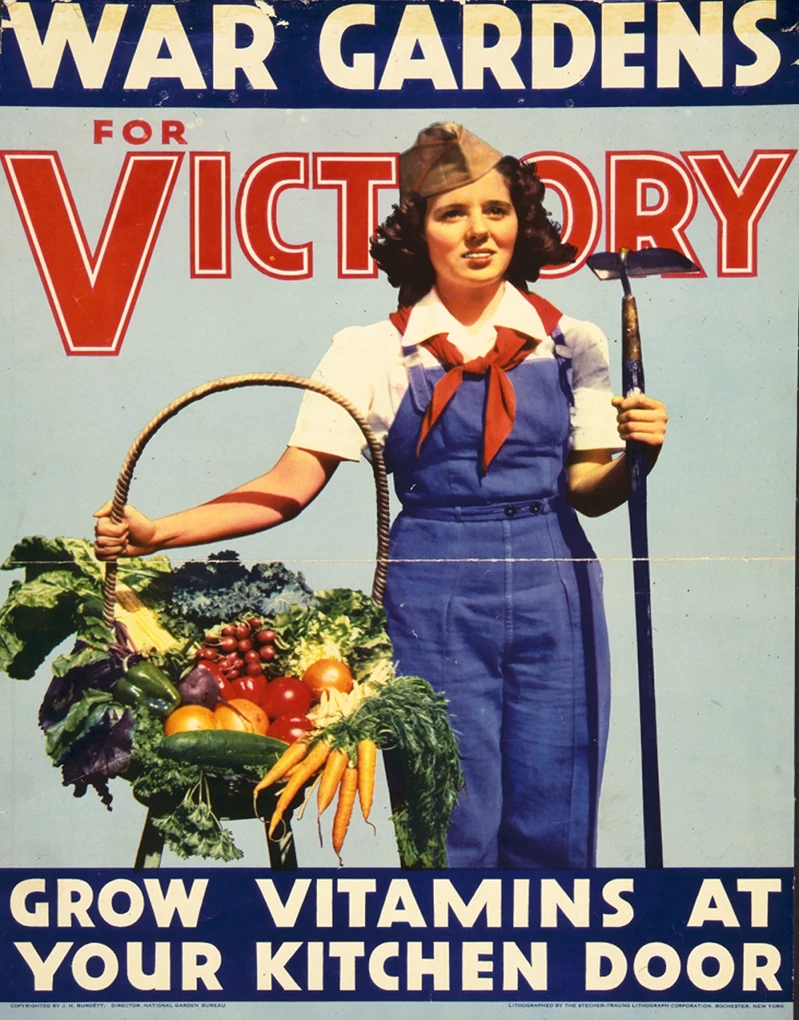
The call to action was iconic. Posters featured “Rosie the Riveter” types trading wrenches for garden forks with slogans like “Our Food is a Weapon” and “Dig for Victory!”
The Stats That Defined a Generation
The response was staggering. By 1944, an estimated 20 million Victory Gardens were planted across the United States. These weren’t just in rural areas; they popped up in:
-
City Rooftops: Manhattan skyscrapers hosted vegetable patches.
-
Public Parks: San Francisco’s Golden Gate Park was partitioned for potatoes.
-
Backyards: The average suburban lawn was transformed into a literal breadbasket.
At the height of the movement, these amateur gardeners were producing approximately 40% of all the fresh fruits and vegetables consumed in the United States. It remains one of the most successful localized food movements in human history.
Why the Victory Garden Mattered (Beyond the Food)
While the calories were important, the psychological impact was perhaps even greater. The Victory Garden provided a sense of agency. At a time when the world felt chaotic and dangerous, tending to a row of carrots offered a tangible way for children, the elderly, and those at home to contribute to the greater good. It turned “consumers” into “producers.”
Modern Victory Gardening: How to Grow Your Own
You don’t need a global crisis to start your own Victory Garden. Whether you have a sprawling backyard or a small apartment balcony, the principles of the 1940s—efficiency, nutrition, and persistence—still apply today.
1. Start with the “Heavy Hitters”
In the 1940s, the government recommended specific crops that offered the most “bang for your buck” in terms of vitamins and yield. If you’re a beginner, focus on these five:
-
Leafy Greens: Spinach and Swiss chard grow fast and can be harvested multiple times.
-
Bush Beans: These don’t require complex trellises and fix nitrogen back into your soil.
-
Tomatoes: A single healthy plant can produce 10–15 lbs of fruit.
-
Zucchini: Be warned—one plant is usually enough to feed a neighborhood!
-
Carrots: Great for kids to grow and excellent for long-term storage.
2. Understand Your “Zone”
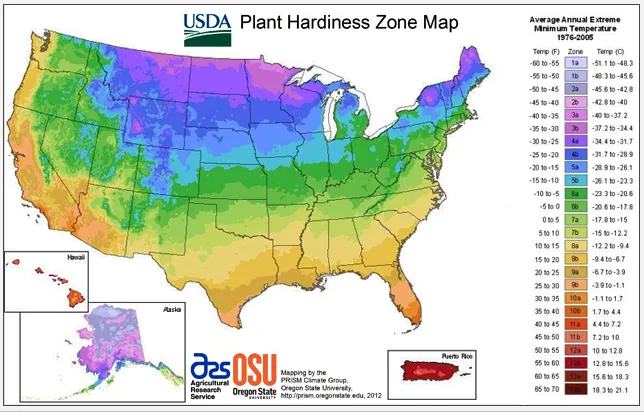
Before you buy seeds, you need to know your USDA Hardiness Zone. This tells you which plants will survive in your climate and when your first and last frost dates are. Planting a heat-loving pepper in April in Maine is a recipe for heartbreak.
3. The “Thrifty” Soil Hack
Good soil is the difference between a harvest and a headache. You don’t need to buy expensive synthetic fertilizers. Follow the “Victory” way by starting a compost pile. Kitchen scraps (coffee grounds, eggshells, vegetable peelings) mixed with “browns” (shredded cardboard or dry leaves) create “Black Gold” for your plants.
4. Practice “Succession Planting”
Don’t plant all your seeds on May 1st. If you do, you’ll have 50 heads of lettuce in June and nothing in July. Instead, plant a small row every two weeks. This ensures a steady stream of food throughout the entire growing season.
The DIY Tip: The “Milk Jug” Mini-Greenhouse
In the spirit of the resourcefulness here is a classic gardening hack to jumpstart your season.
If you want to start your seeds early but live in a cold climate, don’t buy expensive seed starters. Use clear plastic milk jugs:
-
Cut the jug in half horizontally (leave a small “hinge” near the handle).
-
Poke drainage holes in the bottom.
-
Fill the bottom with 3 inches of potting soil and plant your seeds.
-
Tape the jug back together (leave the cap off for ventilation).
-
Place it outside.
The jug acts as a micro-greenhouse, protecting the seedling from frost while allowing sun and rain to do their work. It’s thrifty, effective, and perfectly in line with the Victory Garden ethos.
Conclusion: The New Revolution
The original Victory Gardens were dismantled shortly after the war ended, replaced by the convenience of the modern supermarket. But something was lost in that transition—a connection to the earth and the satisfaction of self-reliance.
By starting your own garden today, you aren’t just growing food; you’re participating in a historical legacy. You’re reducing your carbon footprint, saving money, and ensuring that your family has access to the freshest nutrients possible.
So, grab a shovel. As they said in 1943: “Grow your own, can your own.” The victory is in the dirt.
Enjoyed this look into history? Check out our other posts on organic weed killers, victory gardens, and DIY home solutions to keep your new garden thriving without the chemicals!